


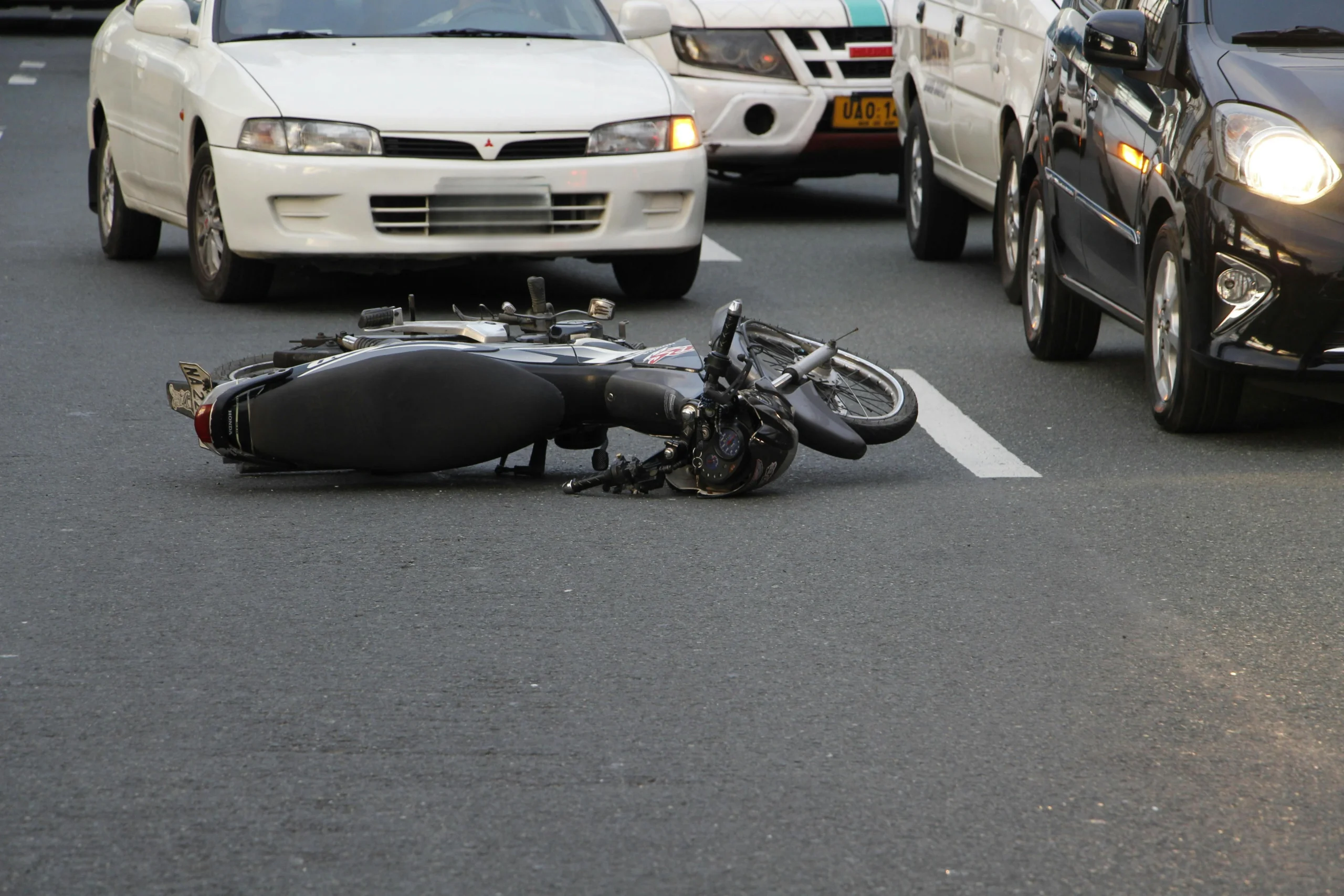
What to Do After a Motorcycle Accident in Mesa
After a motorcycle accident in Mesa, immediately move to safety, call 911, seek medical attention, document the scene thoroughly, and consult an attorney before speaking with any insurance company.
TL;DR: Key Takeaways
- Move yourself and your motorcycle out of traffic immediately, then call 911, Arizona law requires reporting accidents involving injuries.
- Seek a full medical evaluation even if you feel fine, because adrenaline can mask serious injuries such as internal bleeding, concussions, and soft tissue damage.
- Document the scene with photos of all vehicles, visible injuries, road conditions, skid marks, and debris, and collect contact and insurance information from everyone involved.
- Do not provide a recorded statement or sign any documents for insurance companies before consulting a legal professional.
- Never accept an early settlement offer from an insurer, as initial payouts rarely cover the true cost of your recovery and may forfeit your right to pursue additional compensation.
- Save all medical paperwork, receipts, and notes from the start, as this documentation forms the foundation of your insurance or legal claim.
After a motorcycle accident in Mesa, move to a safe spot, call 911, and get medical attention right away, even if you feel fine. Then document the scene with photos, exchange information with other drivers, and avoid giving any statement to insurance companies before speaking with an attorney.
Experiencing a motorcycle accident is a frightening experience that can leave you feeling uncertain and overwhelmed. In a matter of seconds, what began as a normal day can change dramatically. The sound of the impact, the confusion, and even the initial shock can make it difficult to know what to do next. If you are reading this because you’ve been in an accident in Mesa or the surrounding Phoenix area, please know that you aren’t alone. Many others have faced similar challenges, and with the right guidance, you can take important steps to protect your health, your legal rights, and your peace of mind.
One of the most important things you can do, both right after the incident and in the days that follow, is to follow some simple, concrete steps. Taking the right actions can help you recover physically, emotionally, and financially. This guide provides clear and supportive advice on the steps to take after a motorcycle accident in Mesa, so you can focus on healing while also protecting your future.
We’ll cover what to do at the scene, how to collect evidence, how to communicate with insurance companies, the importance of seeking medical help, and how to find the legal assistance you deserve. You’ll also find practical tips on tracking your recovery, understanding Arizona’s unique accident laws and statute of limitations, and taking proactive steps toward rebuilding your life after a crash. If you’re looking for how to handle a motorcycle crash in Mesa or need legal help for motorcycle accidents in Mesa, this guide is designed for you.
Step 1: Move to Safety and Assess Injuries
Immediately after an accident, your safety is the most important thing. If you are able to move without causing further pain, try to get yourself (and your motorcycle if possible) out of the road and away from any other traffic. Mesa streets can be especially busy, so it’s vital to get clear of oncoming vehicles to avoid any additional car accident, hit-and-run, or secondary collision.
Once you are in a safe place, take a moment to assess yourself for injuries. Breathe deeply and check your body from head to toe. Many people experience a surge of adrenaline after an accident, which can mask pain or injuries. Look for any signs of dizziness, numbness, swelling, or ache that could indicate more serious concerns like broken bones, head injuries, or traumatic brain injuries. If you suspect a serious injury,especially to your back or neck,it’s best to remain still and wait for emergency help to arrive.
If others were involved, check on their wellbeing too, while taking care not to put yourself in further danger, especially in tragic cases involving wrongful death. However, avoid moving anyone with apparent serious injuries, as this could cause further harm.
Remember: Your health and safety come first. Don’t worry about your vehicle or belongings until you are sure you’re out of harm’s way and not in need of immediate medical attention.
Step 2: Call 911 Immediately
Once you’ve ensured your safety, call 911 as soon as possible. No matter how minor the accident may seem, it’s important to have the police, and often emergency medical teams, respond to the scene. In Mesa, and throughout Arizona, reporting the accident to the authorities is not only an important safety measure but also a requirement under Arizona law in many situations, especially when injuries are involved.
When the police arrive, they will take control of the scene by diverting traffic, making the area safer, and beginning to gather information. They will ask for statements from everyone involved and any witnesses. This part of the process is key: The police report they create includes important details such as the time, date, and location of the accident; the conditions of the road and weather; and the accounts of those involved. Later, these official statements can play a huge role in determining liability and supporting your motorcycle accident injury claim for damages.
Be honest and clear in your conversation with responding officers. Describe what happened, but do not speculate about fault, sometimes, there are factors you may not be aware of, and assigning blame too soon can hurt your claim later on. If you aren’t sure about something, it’s perfectly okay to say so. Focus on the facts, what you saw, heard, and experienced.
If you or anyone else involved is injured, ask the dispatch operator to send medical help as well. Let the professionals handle any injuries, even if they seem minor at first.
Step 3: Document the Scene Thoroughly
Documentation is vital following a motorcycle accident. If you are physically able and it’s safe to do so, start to gather evidence at the accident scene. Your smartphone can be invaluable in these moments.
Here are some key things to document:
- Take photos of your motorcycle and any other vehicles involved, capturing all visible damage from multiple angles.
- Photograph your injuries and any visible injuries of other parties (with their consent).
- Take shots of the surrounding area, including skid marks, road conditions, street signs, traffic lights, and any debris or hazards.
- Record the weather and lighting at the time of the accident.
- Capture images of any relevant details, such as potholes, construction, or blocked signage.
In addition to photos and videos, collect and write down important information from everyone involved:
- Names, addresses, and contact details
- Insurance information, policy numbers, and driver contact information
- Driver’s license plate numbers
- Make, model, and color of all vehicles involved
Look around for witnesses, including pedestrians or other drivers who stopped. Witnesses can offer unbiased accounts of what happened, which may be crucial later on. Kindly ask for their names and phone number and see if they would be willing to provide a brief statement to the police.
If law enforcement is present, you’ll also want to note the names and badge numbers of officers on the scene. Ask how and when you can obtain a copy of the official accident report.
Taking these steps not only speeds up the claims process but protects you from false or misleading statements from other parties, ensuring your account can be clearly supported with evidence.
Step 4: Seek Comprehensive Medical Attention
After a motorcycle accident, even minor injuries can have serious long-term effects if left untreated. It is common for accident victims to feel relatively okay immediately after a collision, only to have pain or symptoms develop hours or days later. That’s why seeking a full medical evaluation is so important, even if you believe your injuries are not severe.
Visit a hospital, urgent care, or your personal physician as soon as possible after the accident. Adrenaline can mask the signs of internal bleeding, concussions, or soft tissue injuries. Medical professionals are trained to spot hidden injuries and guide you through the right care. Make sure to describe all your symptoms, no matter how small they seem. This can make a big difference in early detection and treatment.
Following all medical advice and keeping your follow-up appointments is just as important as getting an initial checkup. Your recovery process may require diagnostic tests, physical therapy, or specialist visits. Save all paperwork, receipts, and medical notes, these documents will help you build a solid foundation for your insurance or legal claim.
If you fail to seek prompt treatment, insurance companies or opposing attorneys may question the validity of your injuries. Protect yourself by documenting your care from the start.
Step 5: Be Cautious with Insurance Companies
In the days following your accident, it’s likely that representatives from insurance companies will reach out to you, often sooner than you might expect. While adjusters may appear sympathetic and supportive, it is important to understand that their goal is to protect their employer’s bottom line, not yours.
Here’s how you can protect yourself:
- Do not speculate about your injuries or how the accident happened.
- Don’t agree to be recorded or provide a formal statement without consulting a legal professional.
- Avoid signing any documents or accepting an early settlement offer, as an initial payout rarely covers the true cost of your recovery. These offers rarely reflect the full amount of your losses and accepting them could forfeit your right to pursue additional compensation later.
- Let them know that your recovery is ongoing and that you intend to have your legal representative handle all communication moving forward.
It is easy to feel pressured or intimidated when interacting with insurance representatives. Remember, you are entitled to fair treatment. Take your time, review all documentation, and do not feel rushed. If you’re uncertain, always ask questions or reach out to a trusted legal advisor before responding.
Insurance matters can quickly become complex. The goal is to ensure you’re fully informed and protected so that you receive the support and compensation you deserve for your injuries, property damage, lost income, and any pain and suffering you may be experiencing.
Step 6: Secure Dedicated Legal Representation
Navigating the aftermath of an accident can be stressful, especially when you’re also dealing with physical or emotional pain. Having a skilled legal advocate on your side helps level the playing field, giving you confidence, clarity, and powerful support every step of the way.
What can a qualified attorney do for you?
- Carefully review the details of your accident and investigate thoroughly, gathering the evidence needed to strengthen your case.
- Communicate on your behalf with insurance companies and opposing parties, handling all the legal “heavy lifting” so you can focus on your health.
- Calculate the true value of your claim, including your medical expenses, lost wages, future care needs, and non-economic damages like pain, suffering, and diminished quality of life.
- Represent your best interests during settlement negotiations, and if necessary, in court.
Most personal injury attorneys in Mesa work on a contingency fee basis. This means you pay nothing up front; they only get paid if you recover compensation. This payment structure helps ensure everyone can access high-quality legal support, no matter their financial situation.
If you’re ready to get started or just need more information, you can connect with an experienced Mesa motorcycle accident attorney, personal injury lawyer, or motorcycle accident lawyer for a confidential and free consultation to establish a supportive attorney-client relationship. This gives you the chance to ask your questions and get guidance tailored to your unique case, without any risk or obligation.
Additional Tips: Staying Organized and Taking Care of Yourself
Your financial and emotional recovery after an accident can be improved greatly by staying organized and attentive. Here are some tips to help you stay on track:
- Start a Recovery Folder: Keep every receipt, medical report, and piece of correspondence in one easy-to-find place.
- Document Your Recovery: Write a short daily entry in a journal about your physical symptoms, pain levels, emotional state, and how the injuries affect your work, hobbies, or personal life.
- Track Every Expense: Record not just large bills, but also “hidden” costs like over-the-counter medications, parking fees at medical appointments, and travel to and from health providers.
- Communicate Honestly with Your Doctors: Be open about all symptoms so your care plan addresses your needs completely.
- Prioritize Mental Health: Don’t overlook your emotional wellbeing, feeling anxious, sad, or angry is natural after a traumatic event. Seek support from loved ones, counselors, or support groups if you need it.
Being proactive about your recovery is empowering. The more records you keep and the more you advocate for your own needs, the better your outcome will be.
Understanding Arizona’s Comparative Negligence Rule
Arizona uses a “pure comparative negligence” or comparative fault system for personal injury cases. This can be a source of confusion but understanding it is essential for anyone involved in a motorcycle accident.
In simple terms: Even if you were partly at fault for the accident, you can still receive compensation. Your financial recovery will be reduced by the percentage of fault assigned to you. For example, if you are found 10% responsible and the other driver is 90% responsible, you can still claim 90% of your total losses.
Why does this matter for motorcyclists? Insurance adjusters often try to shift more blame onto riders, sometimes unfairly. They might argue you were riding too fast, wearing dark clothing, or not following traffic laws perfectly. It’s important not to be discouraged by these tactics. With strong evidence and skilled legal advocacy, you can ensure the facts are respected and your rights are upheld.
If you’re being told you were partly at fault, your attorney can help gather evidence to set the record straight, so you receive the compensation you need for a full recovery.
The Long-Term Impact of a Motorcycle Accident
Beyond the physical injuries, a motorcycle accident in Mesa can affect many areas of your life:
- Medical Bills: Emergency care, surgeries, medication, therapy, and follow-up appointments can add up quickly.
- Lost Wages: Time off work for recovery may impact your income, especially if your injuries prevent you from returning to your job fully.
- Property Damage: Your motorcycle and gear, as well as any personal property damaged in the crash, may also need to be repaired or replaced.
- Emotional and Mental Health: Accidents can cause anxiety, depression, sleep disturbances, and even post-traumatic stress disorder (PTSD).
Recognizing these challenges, and reaching out for the support you need, can make a big difference in your recovery.
Frequently Asked Questions
What should I avoid doing after a motorcycle accident in Mesa?
- Do not leave the scene before police arrive.
- Avoid admitting fault or discussing who caused the crash.
- Don’t post details about the accident or your injuries on social media.
- Do not sign insurance documents or accept settlements without legal advice.
How can a Mesa motorcycle accident attorney help me?
An experienced attorney guides you through every step of the legal process, helps collect and present evidence, communicates with insurance companies, and fights for fair compensation on your behalf. Their support takes the pressure off you and helps you focus on recovery.
Is it worth pursuing a claim if my injuries are minor?
Even minor injuries can have lasting effects. Medical costs, lost work, and pain can all add up. Consulting a professional helps you understand the true value of your claim and ensures you are treated fairly.
Take the Next Steps Toward Recovery
Moving forward after a motorcycle crash can feel daunting, but you don’t have to do it alone. Remember these key steps:
- Prioritize your safety and health above all else.
- Call 911 and get a police report.
- Document everything you can while the details are fresh.
- Seek professional medical care, even for minor injuries.
- Be careful dealing with insurance companies, protect your rights.
- Contact a knowledgeable attorney who can support your recovery and fight for the results you deserve.
You deserve to heal, to be heard, and to get the compensation you need to move on from this difficult time. Every step you take today will help secure a better tomorrow. Find support, reach out for legal guidance, and give yourself the time you need to recover.
If you’ve been injured in a motorcycle accident in Mesa, don’t hesitate to reach out. With the right support system and guidance, you can overcome this challenge and get back on the road to health and confidence.